
Panel Objective
This panel will explore Iran’s rapidly evolving political landscape and assess the most realistic pathway to democratic change. Panelists will examine various scenarios proposed for Iran’s future—from relying on so-called moderates within the regime, to external pressure, civil disobedience, or military intervention—to determine which approaches have failed to deliver change and which offer a viable route toward freedom. Emphasis will be placed on how Iran’s social uprisings, the erosion of regime legitimacy, and the rise of organized resistance networks have created the conditions for genuine, people-driven transformation. The discussion will also address how Iran can move from dictatorship to democracy after the fall of the regime.
Panel Participants
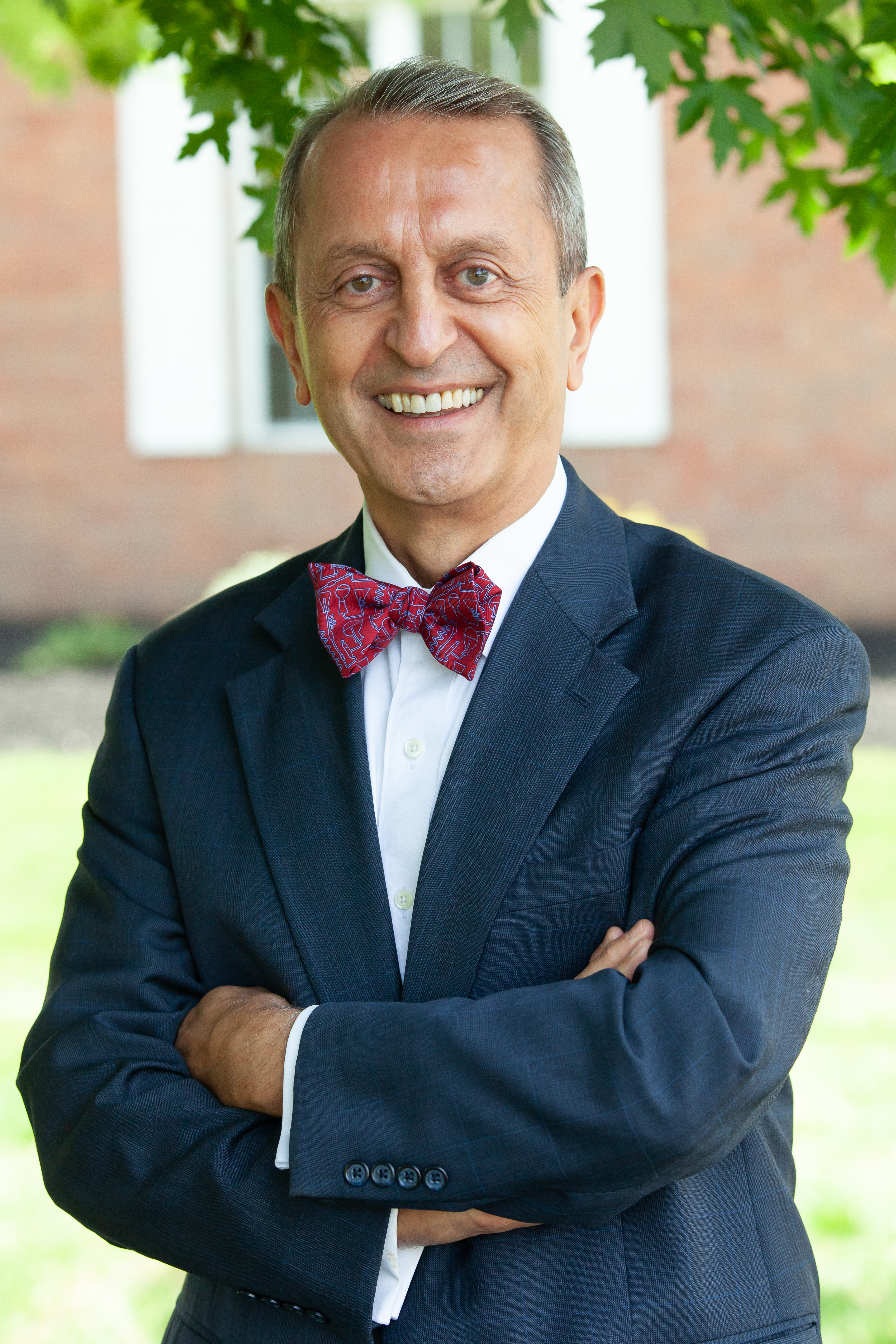 Dr. Firouz Daneshgari is an executive surgeon-scientist with an impressive track record in training, clinical experience, and leadership in healthcare. He completed his medical and surgical training at prestigious institutions including Loyola University of Chicago (1987), University of Chicago (1990), University of Colorado Health Sciences (1997), University of Texas Southwestern Medical Center (1997), and Case Western Reserve University (2013). His academic career includes serving as Assistant Professor of Surgery at the University of Colorado (1998), Founding Director of a Fellowship Program at the Cleveland Clinic (2001), and later holding Professor and Chairman positions at Upstate Medical University in SUNY (2008) and Case Western Reserve University (2009), where he was the Founding Director of the Urological Institute at University Hospitals of Cleveland.
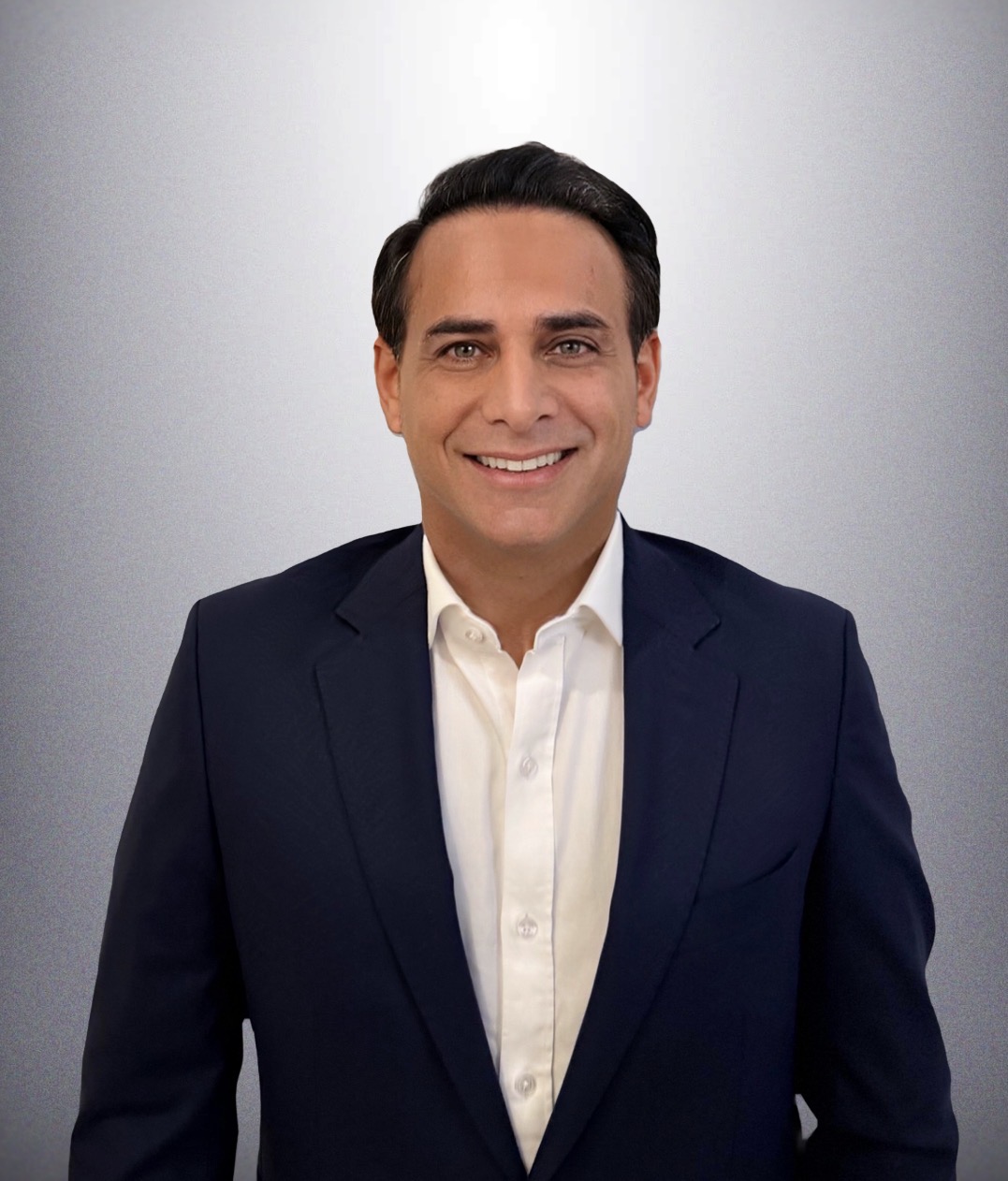 Reza M. Nemovi is a design engineer working at the intersection of aerial‑ground robotics, morphological transformation, and advanced control systems. With a foundational role in significant research projects at the California Institute of Technology (Caltech) Aerospace division, he brings expertise in developing multi‑mode locomotion systems and transformative robotic platforms. He combines mechanical design, actuation and control with a mission to push the boundaries of robotics that can fly, drive, and morph. Reza has contributed to landmark robotic systems such as an aerially transforming morphobot that transitions mid‑flight into a drive mode. He is also a helicopter pilot and certified drone operator.
 Dr. Behzad Raofi is currently the NASA Lunar Human Landing System (HLS), Ascent Mission Segment Insight Lead within NASA’s Moon To Mars Program at Marshall Space Flight Center (MSFC). Born in Tehran, Iran, watching Neil Armstrong’s first moon landing in 1969 instilled the love of space exploration in him since a young age. He came to the United States and completed his Bachelor of Science degree at the University of Texas at Austin with highest honors, followed by Masters Degree in ASE. Since joining NASA/Jet Propulsion Laboratory (JPL) after obtaining his PhD in 1998, Dr. Raofi has worked on many deep space missions as a navigator, including Mars Exploration Rovers Spirit and Opportunity, team lead for the trajectory control for Mars Phoenix Lander Mission, and early navigation support for Mars Science Laboratory Mission (Curiosity).
 Saeid Sajadi, MD, is an Internal Medicine Specialist with a Private Practice in Aesthetics. Dr. Sajadi completed his undergraduate studies in Chemistry and Biology at Pittsburg State University. He went on to earn his medical degree from the University of Kansas School of Medicine and completed his residency training at the University of Missouri–Kansas City. He currently practices aesthetic medicine in his private practice. Dr. Sajadi has also pursued graduate studies in International Relations at the master’s level at Harvard University, where he is currently conducting research on secessionist versus autonomy movements, with a focus on their commitment to democratic norms and principles.
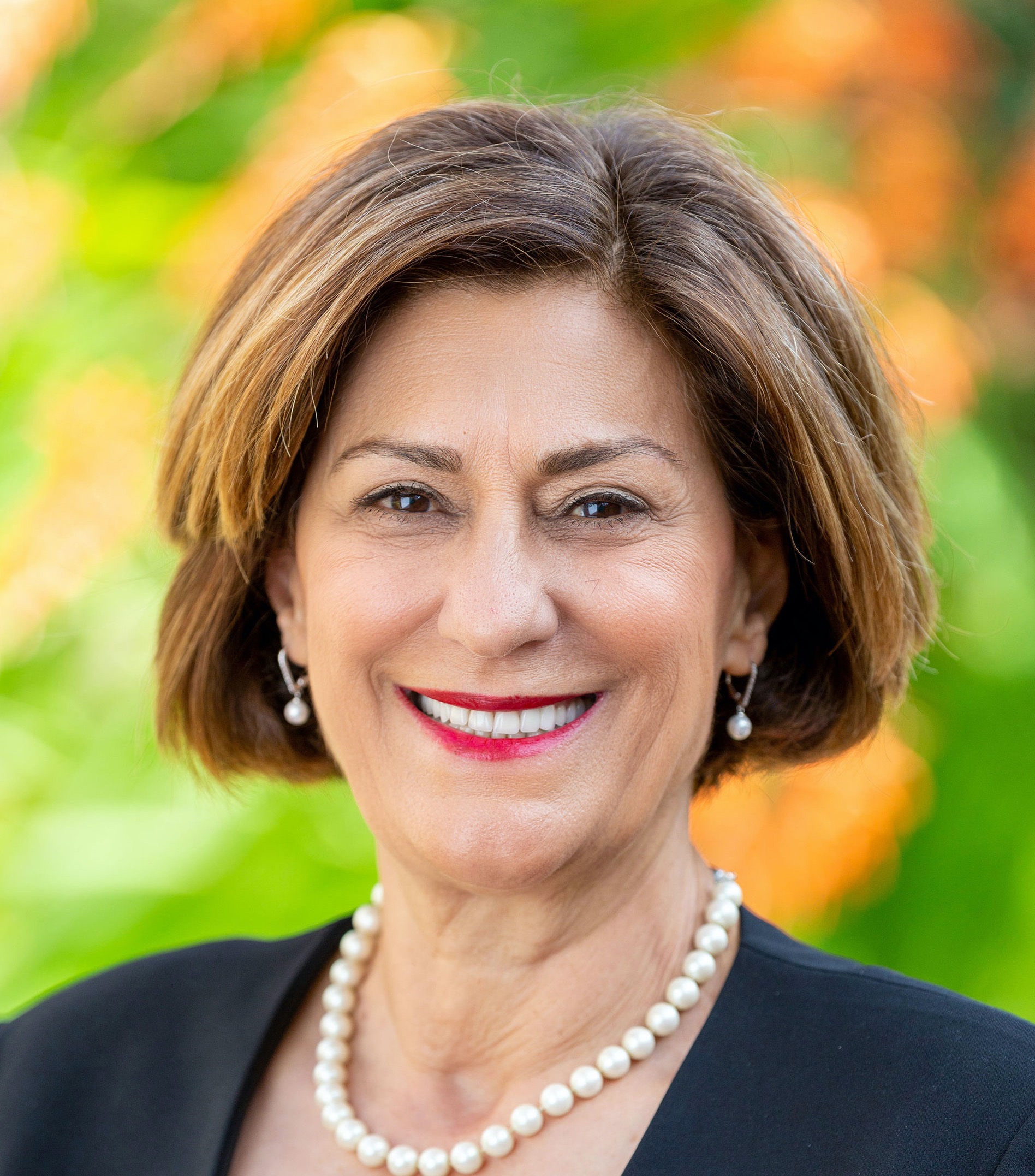 Farideh Sedighi, Software Engineer, was born in Arak, Iran, and moved to Tehran with her family as a child. She moved to the United States to pursue higher education where she earned her master’s degree in computer science from California State University, specializing in software systems, network performance, and automation. At Cisco Systems, Farideh worked as a Test Engineer, focusing on performance and reliability testing for IP telephony and unified communication systems. Farideh, has for decades, fully committed to a free Iran and has played a key role in garnering attention to the plight of the Iranian people and the existence of an alternative to the current theocracy.