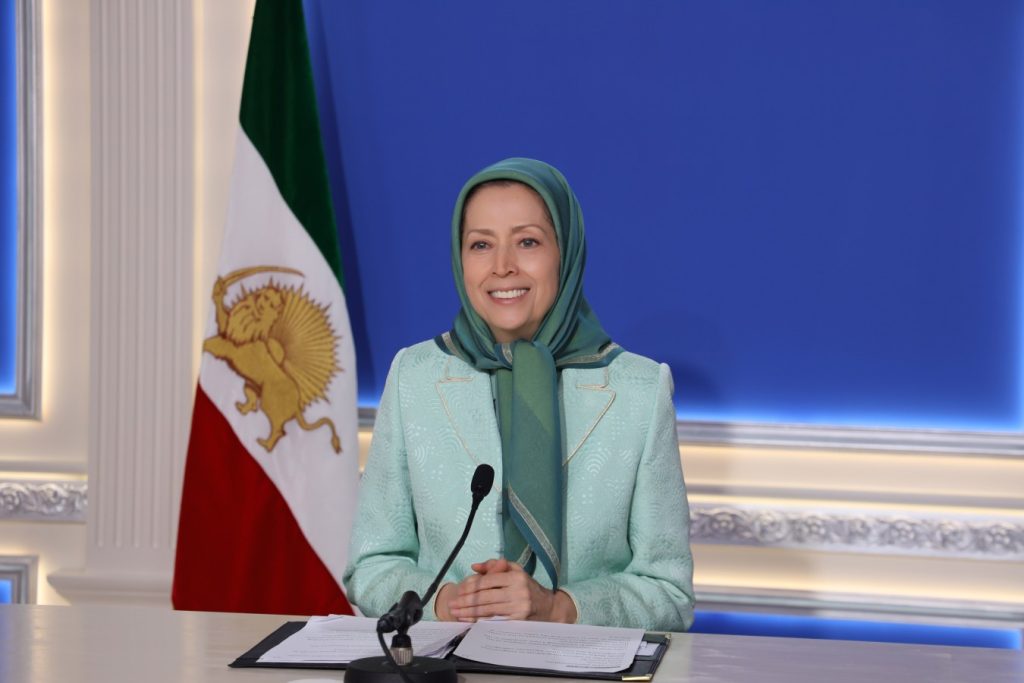
Ali Safavi, Originally published in Townhall, March 20, 2024
This week, the people of Iran and expatriates throughout the world will recognize the Persian New Year celebration of Nowruz (“New Day”). Nowruz conveys a promise of growth and transformation, which has become increasingly poignant in recent years for Iranian activists who champion democracy, women’s rights, and humanitarian values.
This Nowruz comes only three weeks after the regime’s sham parliamentary elections. The process resulted in the further consolidation of power and closing in ranks by Supreme Leader Ali Khamenei. But this outcome was never in doubt, particularly because Khamenei and his regime have been encircled by nationwide protests that have become increasingly threatening to the mullahs’ rule. Now even so-called “moderates” from within the establishment have been systematically marginalized, unable to offer any conceivable solutions, and disgruntled.
The so-called elections for the parliament and Assembly of Experts on March 1 featured the lowest voter participation rate in 45 years, beating a record set by the previous parliamentary elections just four years earlier. The regime’s own election authorities confirmed as much. But even reviewing some of the indications in the state media and remarks by the regime’s officials give away the fact that the official estimates are inflated, and that the vast majority of Iran’s population (92%) sat out the elections in a “vote for regime change.”
There can be little doubt that the electoral boycott was carried along by the wave of dissent that began a year and a half earlier with the nationwide uprising that was sparked by Mahsa Amini’s death at the hands of “morality police.” That movement was led in large part by women, who have long been active within the leadership of the Iranian Resistance, and thus at the forefront of promises that Iran will soon realize its New Day and at last enter a community of democratic nations wherein women are no longer treated as second class citizens. READ MORE