Maryam Rajavi: Regime is “desperately trying to prevent an explosion of popular anger”
By NCRI-US Staff
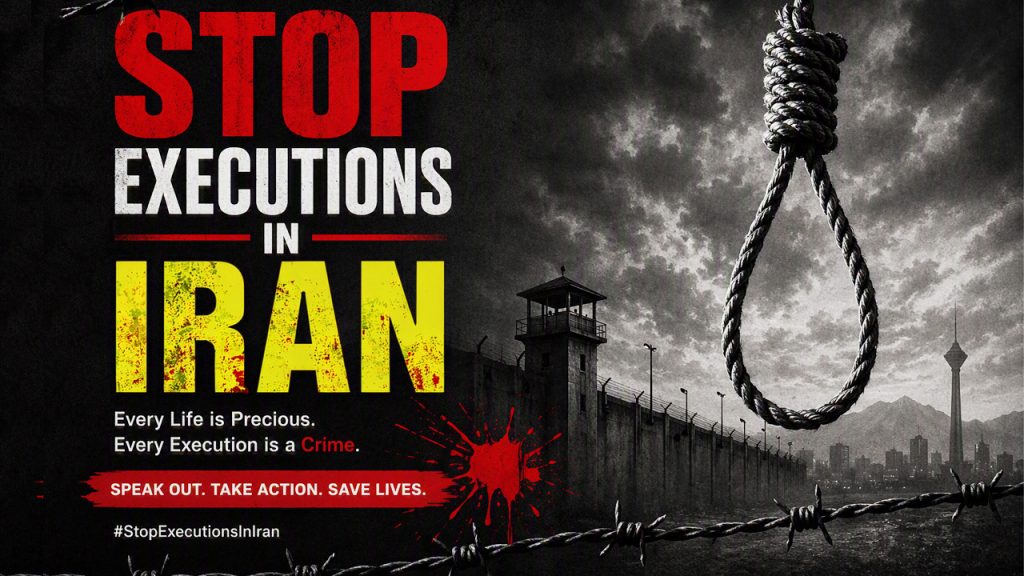
WASHINGTON, Oct. 5, 2026 — Iran’s ruling regime executed two men arrested in connection with the nationwide January 2026 uprising on Monday, adding to a series of executions of protesters and political prisoners months after the uprising posed the most serious domestic challenge to the ruling clerical regime in years.
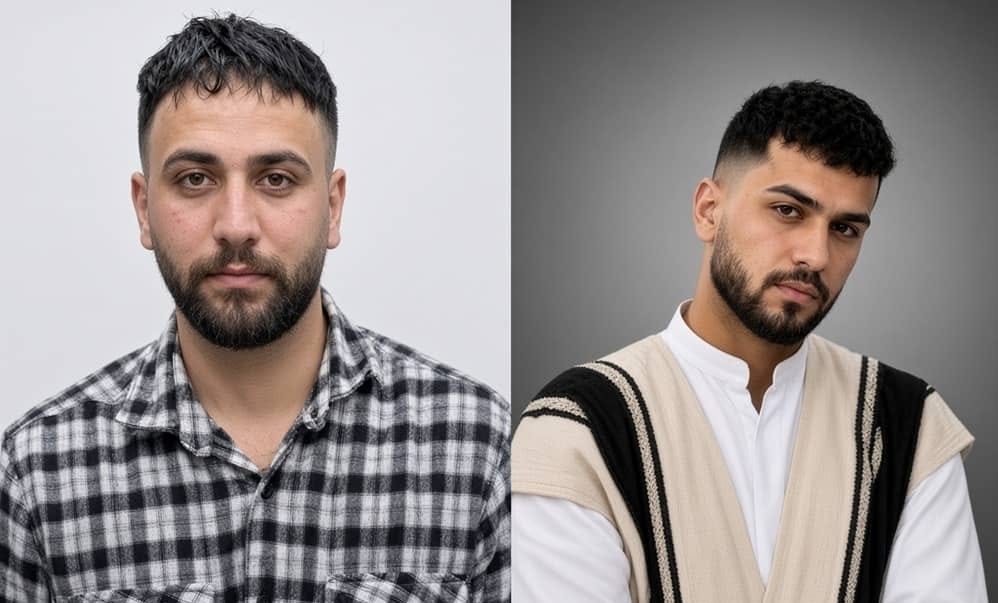
Alireza Sepahi and Alireza Raeisi were executed in Isfahan after the regime’s Supreme Court upheld their death sentences, according to Mizan, the regime judiciary’s news agency. Regime authorities accused the two of involvement in the deaths of four police officers during the January uprising and convicted them on charges that included membership in an armed group and “moharebeh,” or “waging war against God.”
Reacting to the executions, Maryam Rajavi, President-elect of the National Council of Resistance of Iran (NCRI) for the transitional period, said: “I strongly condemn this inhuman crime and flagrant violation of international law. I urge the United Nations and member states to take immediate action to halt the execution of political prisoners and uprising protesters, particularly the five remaining defendants in the Alikhani Square case.”
The two were defendants in the so-called Alikhani Square case in Isfahan. Other defendants in the same case have already been executed. The NCRI and international human rights organizations had repeatedly warned that Sepahi, Raeisi, and other prisoners associated with the January uprising faced imminent execution. (NCRI previous warnings)
The latest executions follow the hanging of January uprising prisoner Siavash Jamshidi Kheirabadi on October 3. The NCRI also reported that Ali Hemmati and Majid Nikandish, two other protesters arrested following the January uprising, were executed in Mashhad in late September.
The succession of executions underscores a broader pattern of repression that has continued well beyond the January uprising. NCRI-US reported earlier this year that the uprising spread to more than 400 cities and presented evidence that it said showed the nationwide crackdown had been prepared in advance and implemented largely through the Islamic Revolutionary Guard Corps (IRGC) and other security forces.
More recently, NCRI-US said at least 40 political dissidents—many associated with the People’s Mojahedin Organization of Iran (PMOI), also known as the Mujahedin-e Khalq (MEK), or the January uprising—had been executed since mid-March, while more than 100 political prisoners remained under death sentences.
Taken together, the continuing executions suggest that Tehran’s leadership views organized dissent and renewed popular protests as a serious internal threat. Rather than signaling durable political consolidation following the January crackdown, the repeated resort to executions appears to be a last-ditch effort to reestablish the regime’s deterrence, battered by recent uprisings, and prevent renewed unrest.
Mrs. Rajavi has linked the execution campaign directly to that concern. In a recent message, she said, “After the slaughter of protesters during the January 2026 uprising, the regime used the conditions of war to begin a new wave of executions,” arguing that the policy reflects fear of another uprising.
The NCRI has repeatedly called on the United Nations and governments to take effective measures to halt executions and protect political prisoners facing death sentences. For the international community, the continuing executions could also provide an important measure of Iran’s internal political condition: despite months of repression, the regime leadership’s security policies remain heavily focused on suppressing the forces and grievances that produced the January uprising.